How Do You Measure an Existing Window for Replacement?

How to Measure a Replacement Window?
January 1, 2026

Replacing old windows starts with one important step: accurate measurements. This guide walks you through the proper way to measure your existing windows so your new replacement windows fit correctly, perform efficiently, and look beautiful in your home.
Modern replacement window installation example
Beautiful Window Upgrades
Energy efficient replacement windows
Energy-Efficient Options
Professional home window replacement
Professional Fit & Finish

Tools You’ll Need

Prepare these items before you begin measuring.

📏

Tape Measure

Use a reliable tape measure for accurate width, height, and depth readings.

📝

Pen & Paper

Record each measurement clearly so nothing gets confused later.

🪜

Safety Equipment

Use proper safety gear when measuring high or hard-to-reach windows.

🤝

Helper

A second person can help hold the tape measure and confirm measurements.

Step-by-Step Measuring Guide

Click each step to expand the instructions.

Step 1: Measure the Width
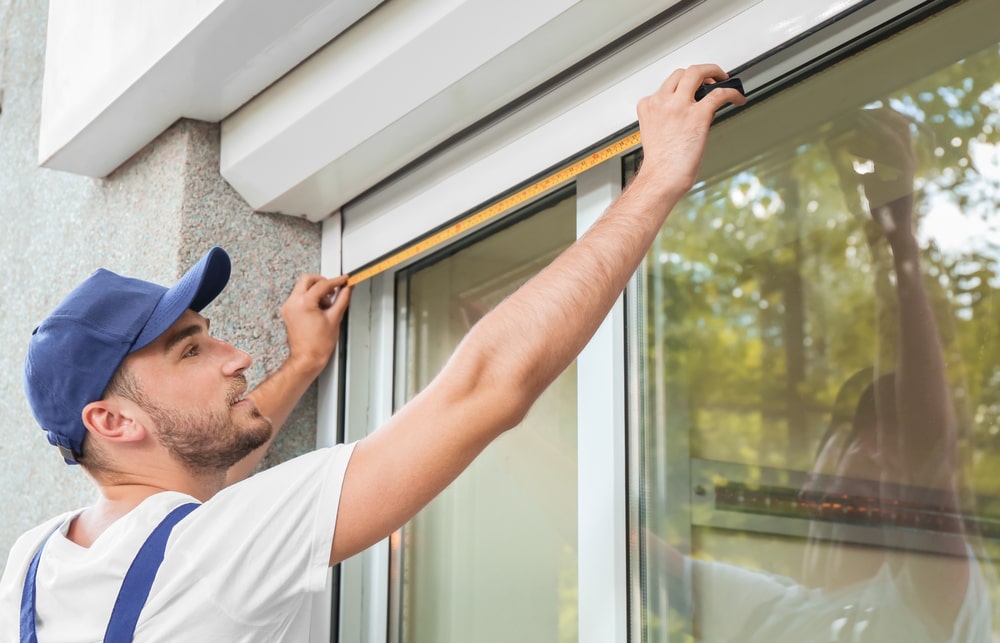
Measure from the inside of the window frame, left to right. Take three measurements: top, middle, and bottom. Record the smallest measurement.
Step 2: Measure the Height
Measure from the inside top of the frame down to the inside bottom. Take three measurements: left, center, and right. Record the smallest measurement.
Step 3: Measure the Depth
Measure the depth of the window frame from the outside edge to the inside edge. Take three measurements and record the smallest one.
Step 4: Check for Squareness
Measure both diagonal corners of the window opening. If both diagonal measurements are equal, the frame is square. If not, note the difference.
Step 5: Measure the Sill Angle
If your sill is sloped instead of flat, measure or note the angle. This can be important when ordering certain replacement windows.
Step 6: Consider the Window Type
Different window styles may require different measurements. For example, double-hung windows may require separate sash measurements.
Step 7: Account for Obstructions
Measure the location of handles, locks, cranks, or other hardware that could affect the replacement window fit.
Step 8: Record Frame Material
Note whether your existing frame is wood, vinyl, aluminum, fiberglass, or another material. This helps determine the best replacement option.
Step 9: Identify Glass Type
Check whether the window has single-pane, double-pane, or triple-pane glass. This can affect energy efficiency and replacement recommendations.
Step 10: Note the Window Age
Older windows may require custom solutions or additional preparation before replacement.
Step 11: Check for Rot or Damage
Inspect the frame and surrounding area for rot, cracks, water damage, or structural issues that may need repair before installation.
Step 12: Document Special Requirements
Write down any special needs, such as sound reduction, enhanced security, privacy glass, or improved insulation.
Step 13: Confirm Manufacturer Guidelines
Before placing your order, review the manufacturer’s measuring instructions for your specific window style to ensure the measurements are correct.

Important Measuring Tip

Always use the smallest width, height, and depth measurements when ordering replacement windows. This helps prevent fit issues and allows room for proper installation adjustments.

Need Help Choosing the Right Replacement Windows?

Measure carefully, compare your options, and confirm all details before placing your order.

Get Help Today

Leave a Reply

Your email address will not be published. Required fields are marked *